Post‑Construction Cleaning Playbook for Boston Renovations
Dust Mitigation + Safety + Inspection‑Ready Checklist
Fresh renovation, lingering dust? Our safety‑first process turns a job site into a healthy, move‑in‑ready home—without spreading contaminants.
Start with a professional deep cleaning plan tailored to post‑construction residues. For smaller scopes or punch‑list refreshes, our one‑time cleaning is a fast, precise option.
Who This Is For
- Homeowners completing kitchen, bath, or whole‑home remodels
- Contractors/designers who want a clean, client‑ready reveal
- Property managers preparing turnovers after build‑outs
Examples below reference Boston neighborhoods such as South End, Back Bay, and Downtown for local context.
Why Post‑Construction Dust Is Different
Construction dust often includes fine particles from drywall sanding, saw‑cut masonry, and tile/grout work. Material disturbance can involve respirable crystalline silica (from concrete, mortar, stone), which federal safety agencies classify as hazardous (see OSHA’s silica standard and NIOSH guidance). In older homes—common in Beacon Hill and Charlestown—lead paint or asbestos may also be present; improper cleanup can spread hazards rather than remove them.
New products can also “off‑gas” volatile organic compounds (VOCs). The EPA notes indoor VOC levels can exceed outdoor levels and recommends specific ventilation practices during/after remodeling.
Safety Scan Before You Clean (Don’t Skip This)
- Lead paint (pre‑1978 homes): If paint was disturbed, follow the EPA’s lead‑safe waste control and cleaning guidelines, or use a contractor certified under the Lead Renovation, Repair and Painting (RRP) Rule. Massachusetts renovation rules (454 CMR 22.11) require HEPA vacuuming and wet cleaning methods; dry sweeping and non‑HEPA vacuums are not allowed for lead dust cleanup. See 454 CMR 22.11.
- Asbestos‑containing materials: If you suspect asbestos (e.g., some flooring mastics, pipe wraps, old ceiling materials), do not disturb. In Massachusetts, asbestos abatement/removal requires notifying agencies at least 10 working days prior to work; see MassDEP guidance.
- Silica dust from masonry/tile work: Use wet methods, local exhaust, and HEPA filtration; avoid dry sweeping or compressed air. See NIOSH safe work practices.
If any of the above apply, pause general cleaning and coordinate a compliant plan. We can integrate RRP‑aligned cleanup into a post‑construction deep cleaning scope.
Set Up Containment and Ventilation
Before you touch a surface, isolate the work area with taped plastic sheeting and create directional airflow out of the home. The EPA recommends maximizing ventilation during installation and for at least 72 hours afterward and using local exhaust to create a pressure barrier (a box fan exhausting through a window works for many projects). Keep HVAC returns closed/covered during cleanup.
Tools and PPE that Make the Difference
- Commercial HEPA vacuum (true HEPA per EPA definition) with brush and crevice tools
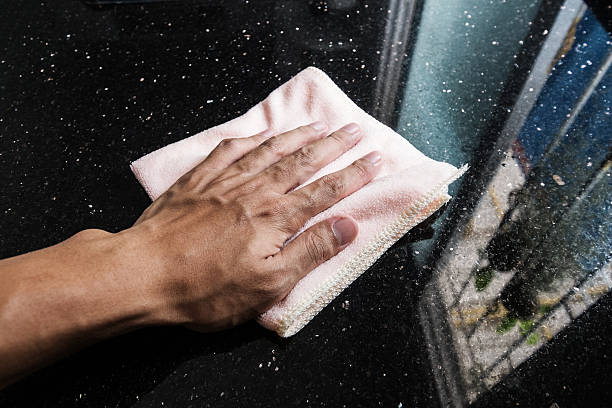
- Microfiber cloths and damp‑clean solutions compatible with surfaces
- Disposable gloves, eye protection; respirator as required by hazard
- Plastic sheeting, painter’s tape, and contractor bags for waste control
- Optional: HEPA air scrubber or purifiers during and immediately after cleanup
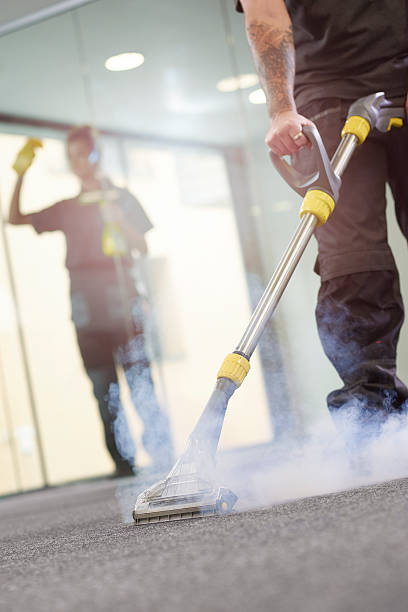
For delicate finishes and textiles, see our steam cleaning guide for when and how to use steam safely.
The Cleanup Sequence (Top‑Down, HEPA‑First)
- Dry HEPA pass (top‑down): Ceilings, light fixtures, crown, upper walls, built‑ins, window heads, then working down to sills, baseboards, and floors. Use brush tools lightly on textured surfaces.
- Detail HEPA + edges: Outlets/plates (covers removed), trim profiles, cabinet reveals, appliance gaps, stair treads/risers, door tops, closet shelves, and under‑appliance kick spaces.
- Damp wipe: After HEPA removal, wipe horizontal and vertical surfaces with appropriate cleaner. Massachusetts rules for renovation dust expressly pair HEPA vacuuming with wet cleaning. Avoid dry sweeping and compressed air release. See 454 CMR 22.11.
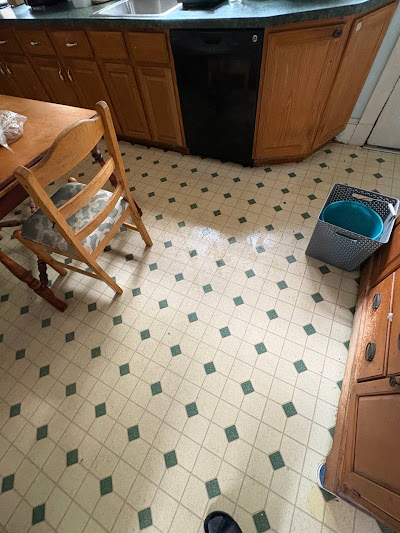
- Final floors: HEPA vacuum carpets and hard floors; then damp‑mop hard floors. For carpets, use our carpet guide if extraction is needed.
- HVAC/filters: Wipe supply/return grilles; replace filters with the highest MERV recommended by your system. The EPA advises duct cleaning only as needed (e.g., visible mold, vermin, or heavy debris), not routinely.
Prefer a pro to run point? Our trained team handles this end‑to‑end as part of post‑construction deep cleaning or tailored one‑time cleaning.
Room‑by‑Room Priorities
Kitchens
- Inside/outside of new cabinetry (shelves, toe‑kicks, hinge cups)
- Appliance cavities and panel gaps; under the range and refrigerator
- Tile backsplashes and counter edges; polish without loading grout lines
Baths
- Tile walls, sills, niches; fixtures and escutcheon edges
- Fan grilles, mirror frames, vanity interiors
Living/Bedrooms
- Window tracks, sashes, lock rails; stair handrails and balusters
- Closet shelves/rods; door tops; baseboards
Handling sensitive pieces? See our artwork cleaning guide and use only dry dusting methods on art—no liquids, no steam.
Waste Control (Bag It, Seal It, Don’t Spread It)
Collect dust/debris on sheeting, double‑bag as needed, and seal before moving. For projects involving lead‑paint disturbance, the EPA details how to contain and dispose of renovation waste safely for homeowners and pros—see Lead‑Safe Renovations for DIYers.
Inspection‑Ready Checklist (Interactive)
Use this on‑page checklist to confirm the space is reveal‑ready.
References: EPA remodeling IAQ best practices, 454 CMR 22.11, NIOSH silica guidance.
Before/After: Parker Hill Avenue, Boston
In this post‑construction cleanup, our team transitioned a dusty remodel into a polished, ready‑to‑live home. We used HEPA‑first removal, detail edgework, careful damp wiping on millwork and fixtures, and staged ventilation to clear any lingering dust—an approach we now replicate across Greater Boston.
Bonus: When Steam Helps (and When It Doesn’t)
Steam can lift adhesive haze and sanitize some hard surfaces after dry debris is removed. Review our steam guide before use; never apply steam to delicate finishes (certain paints, veneers, or unsealed stone).
Where We Work
We serve homeowners, contractors, and property managers across Greater Boston:
- South End
- Back Bay
- South Boston
- Allston
- Bay Village
- Beacon Hill
- Brighton
- Charlestown
- Chinatown
- Dorchester
- Downtown
- East Boston
- Fenway‑Kenmore
- Hyde Park
- Jamaica Plain
- Mattapan
- Mission Hill
- North End
- Roslindale
- Roxbury
- Seaport
- West End
- West Roxbury
- Brookline
- Canton
- Cambridge
- Newton
- Lexington
- Belmont
- Arlington
- Wellesley
- Natick
- Needham
- Winchester
- Milton
- Watertown
- Somerville
- Wakefield
- Reading
- Melrose
- Burlington
- Waltham
- Medford
- Norwood
- Braintree
- Framingham
- Quincy
- Dedham
- Woburn
- Malden
- Stoneham
- Wilmington
- Winthrop
- Methuen
- Saugus
- Revere
- Peabody
- Everett
- Lynn
Ready for a Truly Clean Reveal?
Book a post‑construction deep cleaning or a targeted one‑time cleaning. For contractor handoffs or model‑home turnover, our commercial cleaning team can stage and maintain spaces before listing or client walkthroughs.
Want to see the difference? Explore our Parker Hill Avenue case and our steam cleaning guide.